Why Traditional Outdoor Advertising Is Failing and The Sustainable Advertising

Updated: Jul 22
Quick answer: Traditional outdoor advertising — billboards, posters, hoardings — is losing effectiveness because audiences have learned to filter it out as background clutter, and it creates significant visual and environmental waste. A sustainable, experience-driven alternative places branding on genuinely useful, reusable items instead of static roadside surfaces.

If you can recall; for decades, brands believed bigger advertisements meant bigger impact.
Higher hoardings.Larger billboards.More posters.More stickers.More roadside banners.
Cities slowly transformed into walls of advertising.And somewhere in the middle of all that noise, people stopped paying attention.
And this is not because brands disappeared.But because offline advertising lost its human connection.
Today, most traditional outdoor advertising exists as background clutter in the name of sustainable advertising.
People literally walk past posters without looking.On highways vehicles pass giant hoardings in seconds.People throw Pamphlets before reading.Stickers fade under dust, heat, and rain.
The world became filled with advertisements people never truly asked to engage with.
The Reality Of Traditional Billboards
A billboard depends on interruption.
A driver catches two seconds of visibility while focusing on traffic.A pedestrian glances upward under extreme heat.Rain also reduces visibility.Dust, pollution, glare, and crowded roads reduce clarity even more.
Most outdoor advertisements are seen momentarily — not experienced emotionally.
And modern cities are already visually overloaded.
Roads are crowded with:
signage
banners
electric poles
printed flex boards
temporary campaign structures
street posters
stickers layered over older stickers
At some point, advertising stopped feeling premium and started feeling exhausting.
Pamphlets Became Instant Waste

Pamphlets were once considered direct marketing.
Now they are one of the fastest forms of physical waste.
People receive them only to:
fold them
throw them away
leave them on roads
dump them in bins within minutes
Restaurants, political campaigns, local businesses, events, and real estate promotions print millions of paper flyers every year that barely survive a single day.
Most are never remembered.
The environmental cost, however, stays much longer.
Sticker Advertising Lost Its Meaning

Sticker marketing once felt creative.
Today, most sticker-based advertising has become visual pollution.
Cities across the world deal with:
layered sticker residue
damaged public property
peeling advertisements
walls covered in expired campaigns
The problem is not visibility anymore.
The problem is oversaturation.
When every surface becomes advertising space, nothing feels special.
The Hidden Environmental Cost Of Offline Advertising

Traditional advertising systems create enormous amounts of material waste.
Large-scale billboard campaigns often use:
PVC flex materials
synthetic vinyl
plastic-coated prints
chemically treated surfaces
disposable campaign structures
Many are used for only weeks before replacement.
Globally, the world produces over 400 million tonnes of plastic waste annually, while less than 10% gets recycled.
Advertising may not be the only contributor to pollution, but the industry still participates heavily in:
temporary material consumption
visual pollution
short-life campaign waste
non-reusable promotional systems
At the same time, marine ecosystems continue facing severe consequences from plastic leakage into oceans and waterways. More than 800 marine and coastal species are affected by plastic pollution globally.
The contradiction is impossible to ignore.
Modern brands want to look future-focused while relying on advertising systems built around disposability.
Advertising Lost Its Human Feeling
The biggest weakness of traditional offline advertising is not size.
It is distance.
A billboard exists above people.A poster exists beside people.A pamphlet exists temporarily in someone’s hand before becoming waste.
But very few of them create real emotional interaction.
People remember experiences far more deeply than surfaces.
They remember:
what they hold
what they use
what becomes part of daily life
what feels premium
what feels intentional
The strongest branding does not interrupt people.
It integrates naturally into their environment.
Why Luxury Brands Are Moving Differently
Luxury branding has never depended only on visibility.
It depends on perception.
The world’s most respected premium brands understand something important:
People associate materials with value.
Glass feels different from plastic.Craftsmanship feels different from mass production.Presence feels different from noise.
Modern consumers increasingly connect sustainability with sophistication.
Especially younger audiences.
Especially environmentally conscious audiences.
Especially brands trying to position themselves as premium and future-focused.
Where The Idea Of Hydrobillboard Began
Watching traditional advertising slowly lose emotional impact raised a simple question,for me as i am little bit curious that,What if branding could become useful instead of disposable?
Like not another poster.Not another pole.Not another piece of roadside clutter.
But something people willingly carry.
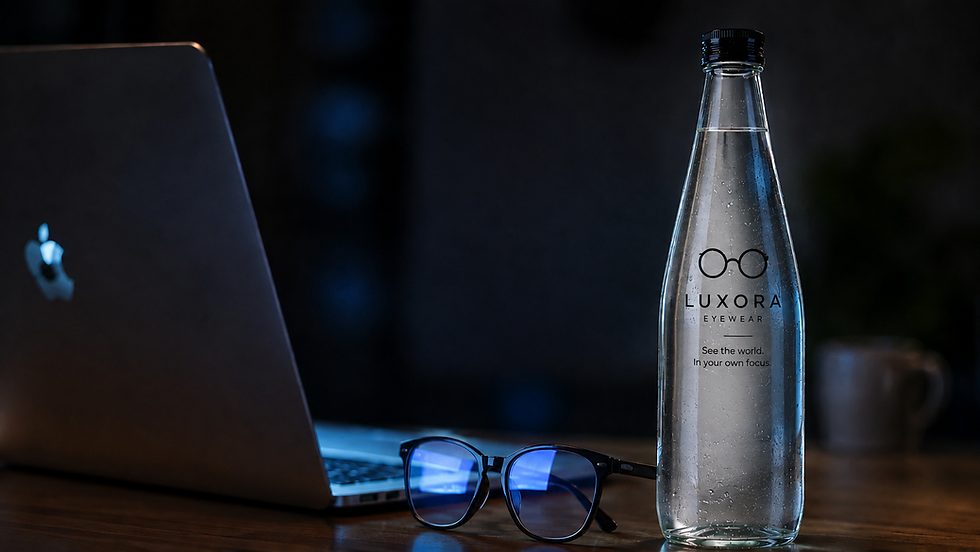
Something premium enough to feel luxurious.Sustainable enough to reduce unnecessary waste.Visible enough to create real-world brand presence naturally.
That idea eventually became part of the thinking behind Hydrobillboard.
Not as another advertising surface.
But as a different approach entirely.
An approach where branding lives closer to people instead of farther away from them.
The Future Of Offline Advertising
Traditional billboards will continue existing.
But culturally, people are changing.
Brands today are increasingly searching for:
meaningful interaction
physical engagement
sustainability
utility-based marketing
premium real-world experiences
Because modern audiences no longer remember the loudest advertisement.
They remember the most human one.
And maybe the future’s most valuable advertising will not live on walls, poles, or roadside structures at all.
Maybe it will live inside experiences people genuinely choose to keep around.
In every hand.
FAQ block:
Why do people ignore billboards and hoardings today? Constant exposure to outdoor advertising has turned most of it into background visual clutter that people no longer consciously register.
Does traditional outdoor advertising create environmental waste? Yes — posters, pamphlets, and disposable outdoor advertising materials contribute directly to visual and physical waste in urban environments.
What's replacing traditional billboards as an advertising format? Experience-driven, utility-based marketing — where the brand lives on something people use and keep — is emerging as a more sustainable and memorable alternative.
Is traditional outdoor advertising completely obsolete? It still has a role for pure reach, but it is losing ground as a trust- and recall-building tool compared to more sustainable, targeted alternatives.