How to Launch a Book in India and Actually Reach Readers
Updated: Jul 4
Quick answer: Most book launches in India fail to reach readers because they rely on a short digital campaign window that ends the moment the launch buzz fades. A stronger approach combines a focused digital push with targeted physical placement in bookstores, literary events, and reader communities that extends visibility well past launch week.

Here is a number that every author in India should know before they send their manuscript to print.
In 2024, over 100,000 titles were published in India in a single year.
One hundred thousand books, all competing for readers' attention, shelf space, and the brief, decisive moment when someone decides whether a particular story or idea is worth their time and money.
The Indian book publishing market was valued at USD 5,132.83 million in 2025 and is growing steadily. Poetry sales increased 18% in 2024 driven by Instagram poets. Regional language publishing — Hindi, Bengali, Tamil, Telugu, Marathi and every other Indian literary tradition — is experiencing genuine revival. The reading public exists, it is growing, and it is hungry.
But here is the harder truth sitting beneath those encouraging numbers.
An unpromoted book fades into obscurity within weeks of its release.
Not because the writing was poor. Not because the story did not deserve readers. But because in a market producing 100,000 titles a year, discovery is not something that happens by accident. It is something that has to be built — deliberately, specifically, and with a clear understanding of who the reader is and where that reader actually spends their time.
This piece is about building that discovery. It is about why the current approaches most Indian authors and publishers rely on consistently underperform — and why a completely different approach to reaching the right reader, in the right environment, with the right object in their hands, might be the most overlooked book marketing idea in Indian publishing. So let's explore that how to launch a book in india effectively.
The Book Discovery Problem Nobody in Publishing Fully Solves

Before discussing what does not work, it helps to understand the specific nature of the book discovery challenge — because it is different from the marketing challenge of every other product category.
A person does not wake up deciding to buy a book in the way they might decide to order food or book a hotel. They encounter a book. The encounter happens through a recommendation from someone they trust, through a physical object they happen to see in an environment they inhabit, through a social conversation that makes a specific title feel relevant to their current moment in life, or through the slow accumulation of ambient awareness that a particular author's name exists and matters before they have consciously decided to seek out their work.
Book discovery is not intent-based. It is serendipitous — but serendipity, at scale, can be engineered.
The most powerful book discoveries happen when the right book finds the right reader in the right moment. Not when an algorithm serves an ad to a broad audience. Not when a poster appears on a street corner. But when a specific person, in a specific environment, encounters a specific book in a way that feels relevant, natural, and credible.
Content marketing and social media engagement drive 80% of book discovery. That statistic from the publishing industry reflects something real about how readers find books — through content, through conversation, through the accumulated social signal that a particular title is being talked about in communities they belong to.
But content and social media alone have a structural limitation for Indian authors: they reach the audience that already follows the author. They cannot easily reach the new reader — the person who has never heard of this author, who belongs to no existing community around this book, but who would become one of its most passionate advocates if they only encountered it.
That gap — between the author's existing audience and the new reader who is perfectly suited for this book but has not yet found it — is the most commercially significant gap in Indian book marketing. And it is the gap that Hydrobillboard is uniquely positioned to close.
What's the best way to market a book launch in India?
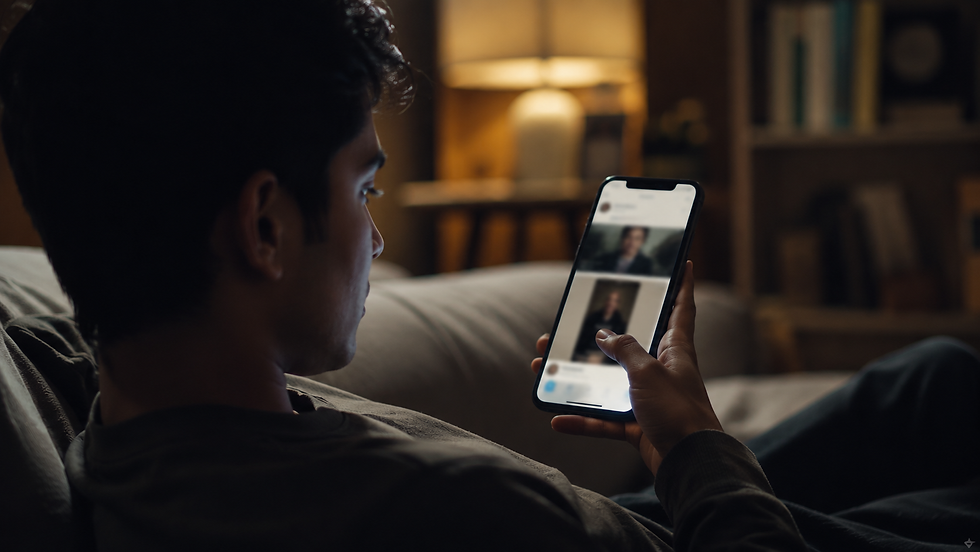
The digital advertising toolkit available to authors and publishers in India has expanded significantly. Amazon Ads targeting readers already browsing for similar books. Meta campaigns using BookTok-style creative. Google Ads capturing intent-based searches. BookBub promotions reaching curated readership lists.
And yet, by 2026, major publishers prioritize author identity as much as book quality — because they have learned that even the best advertising cannot substitute for the genuine reader desire that a well-established author identity creates organically.
Here is why digital advertising specifically fails to deliver on its promise for most book launches:
The Facebook ad costs for publishing have climbed sharply.
The era of affordable Facebook advertising for books is over. Ad platforms in 2026 are more volatile than ever, driven by AI systems rather than legible rule-based logic. Sudden cost spikes and performance drops are common. Skilled marketers can no longer simply reverse-engineer platform patterns, and authors who depend solely on paid reach are far more vulnerable to this volatility than those who have built owned audiences over time.
The conversion from ad to purchase is structurally weak for books.
A person encountering a book advertisement on Instagram is typically not in a reading or purchasing mindset at that moment. They are consuming social content — following accounts they already trust, watching content they chose to engage with. A book ad that interrupts this experience faces the same fundamental resistance as a restaurant ad or a fashion ad in the same feed. The 1.7-second average ad view is not enough time to communicate the emotional resonance of a story or the transformative potential of a non-fiction idea.
Books are purchased on emotional resonance, not rational evaluation. And emotional resonance requires more than an impression — it requires the feeling that this particular book belongs in your life. Digital advertising almost never creates that feeling on first contact.
Amazon's algorithm now rewards engagement and review velocity far more aggressively.
In 2026, Amazon's discovery algorithm has shifted significantly toward rewarding books that already have engagement momentum — sales velocity, review accumulation, reader interaction. This creates a circular problem for new releases: the algorithm promotes books that already have readers, but getting those initial readers requires visibility that the algorithm has not yet provided.
The authors who break this cycle most effectively are not the ones with the biggest ad budgets. They are the ones who have built sustained pre-launch awareness among a specific reader community over months — so that when the book releases, the initial sales velocity that feeds the algorithm is already waiting.
AI-generated content has made readers more skeptical than ever.
Readers are skeptical by default in 2026. AI-generated content has flooded every platform. Readers can spot a thin, generic promotional post the same way they spot a thin, generic book. Trust signals — real reviews, real podcast interviews, real bylines in real publications, real recommendations from people they know — matter more than they ever have.
A paid ad, however beautifully designed, carries a fundamental trust deficit with today's reader. They know it was paid for. They know the author or publisher chose it specifically to reach them. And that knowledge, however subconscious, creates a resistance that organic discovery through trusted channels does not.
Why Traditional Offline Marketing Fails Authors and Publishers

Before the digital era, book marketing ran through a relatively consistent set of channels: bookstore placement, literary event appearances, newspaper and magazine reviews, author tours, and word of mouth among reading communities. Some of these channels still work for the right author in the right circumstances. But most of them have structural limitations that Indian authors rarely examine honestly.
Bookstore launches reach readers who are already readers — not the new audience you need.
A launch event at Crossword or Landmark or a literary cafe in Bandra is a celebration for people who already know your work. It is meaningful, it creates beautiful photographs, and it contributes to the social signal that your book exists and has a community around it. But the people who attend a bookstore launch are typically existing supporters — people who already follow you, who learned about the event through your social channels, and who were predisposed to buy the book before the event happened.
The new reader — the person who has not yet heard of your book, who might love it if they only encountered it, who exists in communities you have not yet reached — is almost never in the room at a bookstore launch. They were never informed it was happening.
Review copies and literary press coverage reach a declining readership.
Literary press coverage in India — newspaper book supplements, literary magazines, literary blog features — reaches a genuinely valuable audience of serious readers, but the circulation of this coverage has contracted significantly alongside general print readership. For a debut author or a small publisher without existing relationships with literary editors, getting meaningful coverage is increasingly difficult, and the lead time between submission and publication often means coverage arrives after the launch window has already closed.
Author tour events are logistically heavy and geographically limited.
For most Indian authors, the practical reality of an author tour — traveling to multiple cities, organizing events, managing the logistics of book stock and payment — is either financially unviable or produces audience numbers that do not justify the effort. A successful event in Chennai might bring thirty thoughtful readers into a room. But the author spent three days traveling to reach them, and thirty readers is not a launch.
Posters and display materials in bookstores reach only the people who are already in bookstores.
Physical marketing materials inside a bookstore — shelf talkers, window displays, table placements — are valuable for converting browser into buyer at the point of sale. But they are entirely invisible to the potential reader who has not yet walked into that specific bookstore. And in a market where online channels account for 44.3% of India's book market share, a significant portion of the most valuable readers are discovering and purchasing books without ever visiting a physical bookstore.
The Bookstore Problem Nobody in Indian Publishing Wants to Say Out Loud

There is something happening in India's relationship with reading that most authors, publishers, and literary commentators talk around rather than directly about.
We are living in the era of the fifteen-second reel.
A generation that grew up with Instagram, YouTube Shorts, and the bottomless scroll of short-form video has developed an attention economy that is fundamentally different from the one that built India's reading culture. The same young professional who might have spent a Sunday afternoon at a Crossword or Landmark browsing spines is now spending that Sunday morning watching forty-seven consecutive reels about topics they will not remember by the evening.
This is not a moral observation. It is a market reality.
Reading still happens. The book market is genuinely growing. But the path a person takes from zero awareness to actually sitting down with a book has become longer, more fragmented, and more dependent on multiple encounters with a title before the commitment to read it forms.
And that path almost never passes through a physical bookstore spontaneously anymore.
Here is something that authors and publishers rarely examine: even among the people who genuinely want to read — who have the desire, the curiosity, and the time — a surprising number cannot easily name a good bookstore within reasonable distance of where they live or work.

India has approximately 50,000 registered booksellers, but the distribution of these stores is deeply uneven. In a metro like Mumbai or Delhi, a reader in Andheri or Noida might have one or two serious bookstores within a practical visit radius. In a Tier 2 city like Nagpur, Madurai, or Jodhpur, the dedicated literary bookshop may not exist at all in the neighbourhoods where the reading-inclined professional actually lives. The books they want are theoretically available through Amazon or Flipkart, but the serendipitous discovery — the joy of finding a book you did not know you were looking for — requires a physical space that is increasingly absent.
The result is a specific and painful gap in the reading ecosystem.
There are people who would buy your book and love it. They want to read. They intend to read more. They just cannot find the book because they are not in a bookstore, they are not searching for your title specifically on Amazon because they have not yet heard of it, and no algorithm has connected their ambient reading desire to your specific work.
They are in a cafe. They are at a co-working space. They are sitting in a gym, in a hospital waiting area, at their desk between meetings.
They are exactly where a Hydrobillboard bottle can reach them — with your book's cover, your title, your first line — in a form that feels like discovery rather than advertisement. Not because they went looking for a bookstore. But because the book came to them, in their ordinary day, in an object they will hold again tomorrow morning and the morning after that.
For a reader who has forgotten that they want to read, or who never knew a specific book existed, or who would love this particular story if only they encountered it once — a premium glass bottle carrying a compelling excerpt is not a marketing tool.
It is a bookstore that travels.
Here is the thing that distinguishes book buying from almost every other consumer purchase. Nobody buys a book they have never heard of, on a subject they have no existing curiosity about, from an author they have encountered for the very first time in the advertising moment.
Books require pre-existing curiosity. Before a sale can happen, something — a conversation, a review, a glimpsed title, a friend's recommendation, an encounter with the author's name in a trusted context — must have already planted the seed of interest.
The marketing insight that flows from this is not complex, but it is consistently overlooked:
The most valuable moment in book marketing is not the launch day. It is the weeks and months before launch day, during which a specific reader's curiosity about this specific book is being quietly cultivated.
Launch day advertising reaches people in a moment of conversion pressure — when a book needs to be bought right now, competing for attention against every other book releasing the same week, fighting the algorithm for visibility.
Pre-launch presence reaches people in a moment of genuine openness — when a title is not yet asking for purchase, when the reader encounters it without defensive pressure, and when the association between the book's identity and the reader's daily environment can form naturally.
This is exactly the environment in which a premium branded glass bottle, carrying a book's visual identity and a compelling excerpt, functions at its most powerful.
How Hydrobillboard Works for Book and Magazine Launches

Hydrobillboard places premium branded glass bottles carrying a book's visual identity — the cover design, the title, the author's name, and a compelling excerpt or hook from the first pages — into the exact daily environments of the specific readers most likely to connect with that book's content.
Not broadly. Not based on demographic approximations. Exactly.
The reader who encounters a book's title and a gripping first line on a premium glass bottle in their co-working space is not being advertised to in the traditional sense. They are encountering a book in the middle of their ordinary day, in a form that communicates something important through its material quality alone:
A book whose publisher chose a premium glass bottle for promotion is not a cheap book. It is not a desperate book. It is a book that believes in itself.
That subconscious quality transfer — from the premium glass medium to the creative work it represents — is unique to Hydrobillboard and impossible to replicate through any digital or traditional advertising format.
Here is how this specifically works across different book categories:
Self-Help, Business, and Non-Fiction Books

The reader of a business or self-help book is a working professional who is actively investing in their own growth. They are in offices, co-working spaces, and professional environments for most of their waking hours. They carry notebooks, they drink water at their desks, and they talk about what they are reading with the people around them.
A Hydrobillboard campaign for a self-help or business book places branded bottles in:
Premium co-working spaces and corporate offices in the author's target cities
Business class airport lounges where frequent-travelling executives — exactly the audience for leadership and business titles — spend significant time
Management school libraries and MBA programme common areas
Professional association events and industry conferences
A business book author whose bottle sits on the desks of senior managers and founders in Bengaluru's tech ecosystem for six weeks before launch arrives at release day with an audience that has already seen the title and the author's name dozens of times in their own professional environment. The book does not feel new to them. It feels like something they were already about to discover.
Thrillers, Crime Fiction, and Mystery Novels

The thriller reader is everywhere — but they are most engaged with new books in the environments where they have downtime with alert attention: commutes, airport waits, cafe visits, and the transitional moments between professional obligations.
For a thriller or crime novel, the single most powerful piece of content on the bottle is not the author's name or even the title. It is the first line.
The first line of a great thriller is a weapon. "It was a bright cold day in April, and the clocks were striking thirteen." "The man in black fled across the desert, and the gunman followed." A great first line creates immediate desire to read the second sentence.
A Hydrobillboard bottle carrying a thriller's first line — alongside the cover design and title — placed in the hands of the exact demographic that reads thrillers, in the environments they inhabit, creates the most powerful pre-launch curiosity-building that any marketing medium can achieve.
Placement for a thriller includes:
Premium cafe and bookstore café environments where leisure reading audiences spend weekend mornings
Business class and airport lounge environments where long-journey readers are actively looking for new titles
Corporate office environments where the lunch-hour and commute reader demographic is concentrated
Romance and Relationship Fiction

Romance is the largest-selling fiction genre in India by volume, and its readers form some of the most engaged, recommendation-driven communities in all of Indian publishing. The romance reader is a powerful advocate — when she loves a book, she recommends it with the same enthusiasm she brings to every other recommendation she makes to the people in her network.
For a romance novel, reaching the right reader community before launch is everything. One reader who genuinely connects with the book and recommends it within her network creates a ripple effect that no paid campaign can replicate.
Hydrobillboard places romance novel branding in:
Women's professional networks and co-working environments
Women's fitness and wellness studios where the social reading conversation happens naturally
Premium residential society common areas and clubhouses where book club communities organically form
Science Fiction and Speculative Fiction

The science fiction reader in India is increasingly concentrated in specific, identifiable professional environments. The tech professional, the engineer, the computer science student, the startup founder — these communities produce a disproportionate share of India's science fiction readership and they are physically concentrated in places that Hydrobillboard can reach with precision.
A science fiction launch campaign places branded bottles with compelling world-building hooks in:
Engineering college campuses and IIT/NIT common areas
Tech co-working spaces and startup offices
Gaming cafes and technology event venues
Computer science department libraries and research spaces
Poetry Collections and Literary Fiction

Poetry has experienced a genuine renaissance in India — poetry sales increased 18% in 2024, with Hindi and Bengali poets seeing 25% year-over-year increases in readership. The poetry reader is a specific person in a specific kind of environment: intellectually curious, aesthetically attuned, present in cultural and creative spaces rather than corporate ones.
A poetry collection or literary fiction title benefits from placement in:
Literary cafes and specialty bookstore environments
Art gallery openings and cultural institution events
Music and arts festivals where the literary audience congregates
Humanities department spaces at universities and colleges
For a poetry collection, the bottle carries a single complete poem or a pair of exceptional lines — enough to communicate the quality and emotional register of the work in a way that creates genuine desire to hold the whole collection.
Children's Books and Young Adult Titles
For children's books, the purchase decision is made by the parent, not the child. For young adult titles, the decision involves both the young reader and the parent or gift-giver. Both require marketing that reaches the decision-maker in the environments where they spend their time.
A Hydrobillboard campaign for a children's title places branded bottles in:
Parent communities, school PTAs, and residential society common areas
Paediatric clinics and child health environments where parents with young children are present
Kids' activity centres — music schools, art classes, sports academies — where parents wait while their children learn
For a YA novel, bottles reach the young reader directly through school and college environments, while also reaching the parent through professional environments within the same catchment.
Magazine Launches and Literary Journals
A magazine or literary journal launch has a specific marketing challenge that books do not face: the need to find readers who will subscribe and return, not just purchase once. Magazine marketing is about establishing a relationship with a community, not just driving a single transaction.
For a magazine launch, Hydrobillboard builds community recognition before the first issue is in readers' hands:
The bottle carries the magazine's name, visual identity, the editorial promise of the publication, and a QR code leading to the subscription page
Placement in coffee shops, co-working spaces, and cultural environments where the magazine's target audience already gathers
For literary magazines, placement in bookstores, libraries, and university environments
For business or lifestyle magazines, placement in corporate lounges and premium professional environments
The pre-subscription awareness built through bottle presence in the right community means the first issue launches into a readership that has already been primed — not a cold audience that needs to be convinced from zero.
The First Lines Concept — Why This Works Uniquely for Books

There is one specific Hydrobillboard application that does not exist for any other product category covered in this journal — and it deserves direct attention because it is uniquely powerful for literature.
Every other product category uses the bottle as a brand carrier. The bottle communicates quality, distributes brand identity, and builds familiarity with a company name or product.
For a book, the bottle can carry the book itself.
A single perfect sentence. A paragraph that makes someone stop at a café table and hold the bottle closer to read it properly. A hook that creates genuine desire to know what comes next.
When a reader picks up a Hydrobillboard bottle carrying the opening of a novel they have never heard of — and the writing stops them, makes them curious, makes them reach for their phone to search the title — the marketing has done something no digital ad has ever done.
It has created a reader.
Not an impression. Not a click. A reader — someone who encountered the actual work, responded to the actual quality of the writing, and chose to pursue it.
That is the rarest outcome in book marketing. And it is one that only a physical, daily-encountered, tactile medium can create.
The Comparison Every Author and Publisher Needs to See
Factor | Digital Ads (Amazon, Meta) | Bookstore Events and Tours | Hydrobillboard |
Reaches new reader who has never heard of the book | ⚠️ Broad audience — limited genre precision | ❌ Reaches existing supporters mostly | ✅ Placed in environments of exact target reader demographic |
Builds pre-launch awareness | ⚠️ Typically concentrated around launch window | ❌ Happens at launch, not before | ✅ Begins months before launch — curiosity builds over time |
Carries actual book content to create desire | ❌ Cover and copy only | ⚠️ Excerpt reading if audience attends | ✅ First line, excerpt, or hook directly on the bottle |
Works for regional language books | ⚠️ Language targeting approximate | ❌ Limited to specific event locations | ✅ Placed in specific regional linguistic community environments |
Communicates book quality through medium | ❌ Ad format signals promotion | ❌ Event attendance signals existing interest | ✅ Premium glass communicates this is not a cheap book |
Builds sustained reader community | ❌ Campaign ends with budget | ❌ Event is a single moment | ✅ Bottles in circulation for months in reader community environments |
QR code access to buy page or excerpt | ✅ Direct click-through | ❌ No mechanism | ✅ QR code on bottle links directly to purchase or preview |
Cost volatility | ❌ High — ad platforms increasingly volatile | ⚠️ Logistically expensive per event | ✅ One-time campaign cost — no recurring spend |
The Bottom Line for Every Author, Publisher, and Magazine Editor in India

India is producing 100,000 books a year. The readers are there. The hunger for stories and ideas is real and growing. And hard copy remains dominant in India, holding 72.6% of the market share — meaning the physical book is not going anywhere.
What is going somewhere is the patience of the Indian reader for being advertised to.
Readers are skeptical by default. They trust recommendations from people they know. They respond to books that have already entered their awareness through multiple small encounters before they are asked to buy. They remember a title they have seen in their own environment — on the desk of someone they respect, in the café where they read on weekend mornings, in the hands of a colleague who mentioned it in passing.
Hydrobillboard puts your book in exactly those moments. Not in a feed between two unrelated pieces of content. Not on a wall that nobody is reading. In the daily physical environment of the specific reader who was always going to love this book — weeks before they knew it existed.
A business book reader who has seen the title on a bottle in their co-working space for a month before launch does not encounter the book on release day as a stranger. They encounter it as something they have been waiting to finally read.
That is not advertising.
That is the right book finding the right reader.
And for an author who worked for years to write something worth reading — that is the only outcome that matters.
For the books that deserve to be read — that is where the journey to the reader begins.
FAQ block:
Why do most self-published or debut book launches underperform in India? Because marketing budgets are usually concentrated into a short digital burst around the launch date, which fades quickly once the algorithm moves on to newer content.
What is the best way to promote a book launch on a small budget? Combining digital promotion with targeted physical presence — at literary events, bookstores, and reader communities — tends to outperform a digital-only campaign because it reaches genuinely interested readers directly.
Does traditional advertising work for book launches? Generic traditional advertising like posters or hoardings rarely works for books, since book buying is a niche, high-intent decision that benefits more from targeted reach than broad visibility.
How long should a book marketing campaign run? Ideally longer than the launch week itself — sustained, smaller touchpoints over several weeks tend to build more word-of-mouth momentum than a single short burst of promotion.